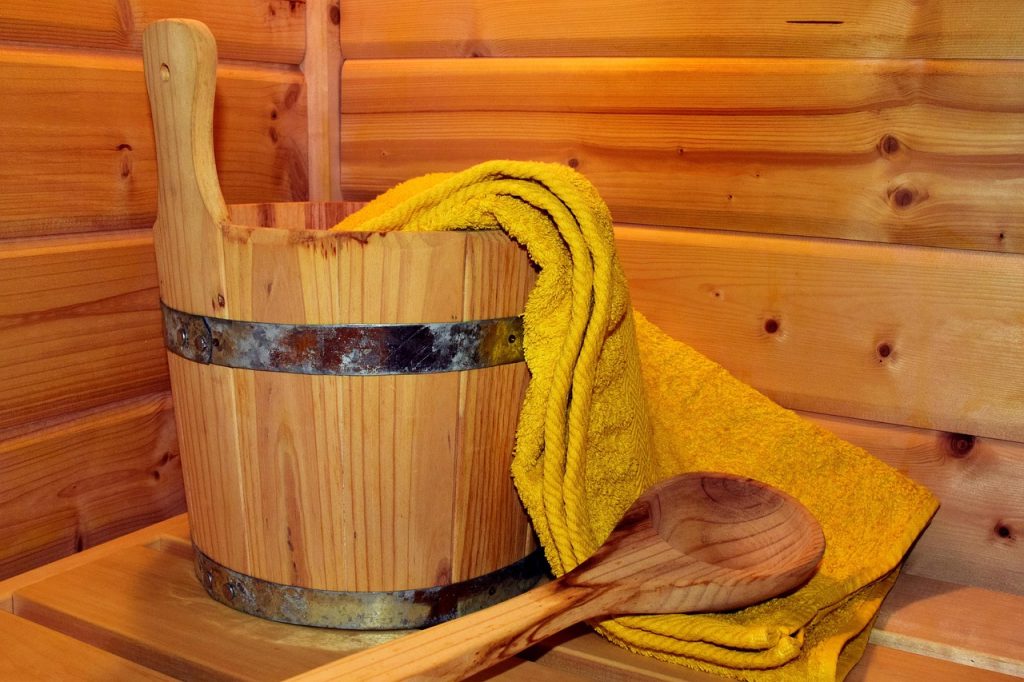
Modern lifestyles often leave people searching for simple ways to relax, recover after a busy day, and create a more comfortable home environment. A sauna offers one way to bring a sense of calm into everyday life. Once associated mainly with spas, gyms, and wellness centres, saunas are now increasingly considered for private homes, hotels, fitness facilities, and residential developments.
Beyond the relaxing experience, sauna bathing can support certain aspects of well-being when used appropriately. However, choosing the right sauna involves more than selecting a heating system. Available space, ventilation, construction materials, energy use, maintenance, and personal preferences all play important roles in making a suitable long-term investment.
Understanding the Different Types of Saunas
Although traditional and infrared saunas share the goal of providing a warm environment, they work differently. Understanding these differences makes it easier to choose a model that suits your lifestyle and available space.
Traditional Saunas
Traditional saunas use an electric or wood-fired heater to warm the room and, in many designs, stones that retain and distribute heat. Water may be poured over the hot stones to create bursts of steam and increase humidity. These rooms are commonly built with timber interiors, comfortable benches, and temperature controls.
Traditional saunas appeal to people who enjoy a strong, enveloping heat and a familiar sauna atmosphere. They are available in several sizes, from compact home installations to larger rooms designed for families, hotels, and wellness facilities.
Infrared Saunas
Infrared saunas use specialised heating panels to warm the body directly rather than relying primarily on heating the surrounding air. They typically operate at lower air temperatures than traditional saunas, which some users find more comfortable.
An infrared sauna may be suitable for a spare room, home gym, or dedicated relaxation area. Depending on the model, features can include adjustable temperature settings, interior lighting, sound systems, and different seating arrangements. Buyers should compare the actual specifications of each unit instead of assuming every infrared sauna offers the same functions.
Outdoor and Barrel Saunas
Outdoor saunas provide an opportunity to create a private wellness area in a garden, patio, or other suitable outdoor location. Barrel saunas are especially recognisable because of their curved wooden construction, which gives them a distinctive appearance.
Before installing an outdoor unit, it is important to consider the weather, drainage, electrical supply, foundation, and access for delivery. Properly selected materials and suitable installation methods can help the structure withstand regular use and changing environmental conditions.
How Sauna Use Can Fit Into a Wellness Routine
A sauna is best viewed as one part of a balanced lifestyle rather than a replacement for exercise, sleep, or medical care. Its warmth can provide a pleasant opportunity to slow down and relax.
Relaxation and Stress Management
Spending quiet time in a warm environment may help some people feel less tense after a demanding day. The combination of warmth, reduced distractions, and a regular relaxation routine can make sauna sessions a useful part of personal self-care.
A home sauna also removes the need to travel to a spa or fitness centre whenever someone wants to unwind. With a convenient setup, relaxation can become easier to incorporate into a weekly schedule.
Muscle Comfort After Exercise
Some people enjoy sauna sessions after physical activity because the warmth feels soothing to tired muscles. Heat exposure may temporarily improve local blood flow and help users feel more relaxed.
Nevertheless, a sauna should not be treated as a guaranteed method of accelerating muscle repair or preventing injuries. After strenuous exercise, it is important to cool down, replace lost fluids, and allow the body to recover. Anyone feeling dizzy, unusually tired, or dehydrated should avoid additional heat exposure.
Cardiovascular Considerations
Research has associated regular sauna bathing with certain cardiovascular health outcomes, particularly in studies of people who use traditional Finnish saunas. However, an association does not automatically prove that sauna use causes those benefits, and results may not apply equally to every sauna type or individual.
People with heart conditions, blood pressure concerns, or other relevant medical issues should consult a healthcare professional before beginning a sauna routine. A sauna is not a substitute for prescribed treatment or regular medical care.
Choosing a Sauna for Your Home or Property
A well-planned sauna should complement the building and the people who will use it. The best choice depends on practical requirements as much as appearance.
Measure the Available Space
Start by measuring the proposed installation area, including ceiling height, door clearance, and room for safe entry and exit. Consider how many people will use the sauna at the same time. A compact one- or two-person unit may be sufficient for a small household, while a larger family or commercial facility may need more seating.
For indoor installations, also check the floor’s load capacity, ventilation requirements, moisture management, and electrical specifications. Outdoor installations may require a suitable base and protection from the elements.
Compare Materials and Construction Quality
Wood influences the appearance, feel, and durability of a sauna. Hemlock and cedar are among the materials commonly used in sauna construction, although their characteristics and suitability vary according to the design and intended environment.
Pay attention to the quality of joints, bench construction, door fittings, insulation, and heating components. Clear product documentation and an established quality-control process are valuable indicators when comparing suppliers. For electrical components, check that the equipment meets the safety requirements applicable in your region.
Consider a Custom Design
Standard sauna models can work well when the space and requirements are straightforward. However, unusual room dimensions, specific seating needs, or a particular architectural style may call for a tailored solution.
A custom sauna can be planned around the property’s dimensions, preferred materials, intended capacity, heating technology, and visual design. This approach may be useful for homeowners creating a dedicated wellness room, hotels developing guest amenities, or gyms looking to make better use of available floor space.
Customisation can also involve practical details such as bench height, door placement, lighting, control systems, and the arrangement of heating elements. Before placing an order, request clear drawings, technical specifications, installation instructions, and information about warranty coverage.
Saunas in Modern Construction and Interior Design
Saunas are no longer limited to traditional spa interiors. They can be incorporated into a variety of residential and commercial projects, provided the building has the right conditions for safe installation.
In private homes, a sauna may form part of a bathroom renovation, basement conversion, home gym, or garden retreat. A carefully planned layout can help the installation feel like a natural extension of the property rather than an afterthought.
Hotels and resorts may use saunas to complement existing wellness facilities. Fitness centres can include them within recovery areas, while residential developers may consider them as an additional amenity for properties aimed at buyers who value leisure and wellness.
Good planning is essential in every setting. Designers and property owners should account for electrical capacity, ventilation, moisture control, access, cleaning, and ongoing maintenance. Commercial installations also need to consider occupancy, cleaning schedules, accessibility, and applicable building and safety regulations.
Safe and Responsible Sauna Habits
Although many healthy adults tolerate sauna sessions well, heat exposure is not appropriate for everyone. Sensible precautions can make the experience more comfortable and reduce avoidable risks.
- Start gradually: Beginners should choose short sessions and increase duration only if they feel comfortable.
- Stay hydrated: Drink water before and after using the sauna, particularly after exercise or in hot weather.
- Avoid alcohol: Alcohol can increase the risk of dehydration, impaired judgement, and heat-related illness.
- Leave if you feel unwell: Dizziness, nausea, weakness, headache, or an unusual heartbeat are reasons to exit and cool down.
- Follow the manufacturer’s instructions: Observe recommended temperature limits, session guidance, and maintenance procedures.
- Seek medical advice when needed: People who are pregnant or have cardiovascular conditions, impaired heat tolerance, or other relevant health concerns should ask a qualified healthcare professional about appropriate precautions.
Children should not use a sauna without appropriate adult supervision and guidance suited to their age and health. Users should also avoid assuming that a hotter or longer session automatically provides greater benefits.
Maintenance and Long-Term Value
Routine care helps keep a sauna clean, comfortable, and functional. Benches and interior surfaces should be cleaned according to the manufacturer’s instructions, and the room should be allowed to dry and ventilate after use. Regular checks of heaters, controls, seals, and electrical components can help identify problems before they become more serious.
For outdoor models, inspect the exterior, roof, drainage, and timber finish as recommended for the particular construction. For infrared units, follow the guidance for cleaning panels and maintaining electrical components without exposing them to excessive moisture.
When comparing prices, consider the full cost of ownership rather than the initial purchase alone. Installation, electricity consumption, repairs, replacement parts, and maintenance may all influence the long-term expense. A suitable model that fits the space and receives regular care can offer more practical value than a larger unit with unnecessary features.
Final Thoughts
A sauna can be a useful addition to a home or commercial wellness space, combining a relaxing environment with opportunities to build a consistent self-care routine. Traditional, infrared, and outdoor models each offer different advantages, so the right choice depends on the user’s preferences, property conditions, budget, and safety requirements.
Visit this website: How Saunas Are Bringing Wellness and Relaxation Into Modern Homes
By evaluating construction quality, heating technology, installation needs, and maintenance before purchasing, buyers can make a more informed decision. Whether the goal is a quiet home retreat or a professionally designed wellness facility, thoughtful planning helps create a sauna space that is comfortable, practical, and suited to long-term use.