Key Takeaways
- Water views do not necessarily include direct water access, private shoreline, or dock rights.
- Flooding, erosion, wildfire exposure, road access, and insurance availability should be reviewed early.
- Rural properties may rely on wells, septic systems, private roads, generators, and limited utility service.
- Water rights, shoreline regulations, easements, and zoning can affect how the property may be used.
- A strong purchase decision combines inspections, title review, insurance quotes, and local expertise.
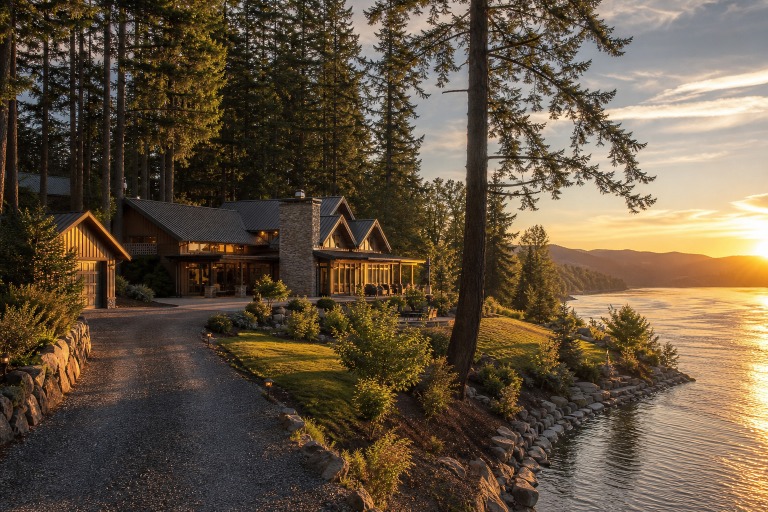
Oregon waterfront and rural luxury homes can offer remarkable privacy, views, acreage, and a stronger connection to the outdoors. They also call for more investigation than a typical in-town purchase. Before falling in love with a dock, vineyard view, riverbank, or forested estate, buyers should understand the systems, risks, rights, and ongoing costs that come with the setting.
For a market-specific perspective, Lake Oswego, OR real estate experts Luxe Forbes Global Properties offer a look at Oregon luxury real estate across categories such as waterfront homes, estates, farms, ranches, vineyards, and new construction. Luxe Forbes Global Properties serves areas including Lake Oswego, Portland West Hills, Bend, and the Oregon Coast, giving buyers access to brokers familiar with the factors that can shape a distinctive property’s value and long-term appeal.
Why These Properties Need Extra Research
A standard home inspection remains important, but it is only one part of the process for a waterfront or rural property. The setting may add retaining walls, slopes, culverts, docks, irrigation equipment, outbuildings, private roads, or mature trees that require specialized review. In luxury markets, value also extends beyond square footage. Privacy, usable acreage, water access, road condition, and orientation can matter just as much as interior finishes.
Start With the Exact Setting
Define what the listing actually includes before comparing its price to other homes. A property may be directly on a river, separated from it by a public road, located near a shared lakefront area, or marketed primarily for its view. Review the deed, preliminary title report, survey, and recorded easements to determine whether the parcel includes shoreline, beach access, a dock, a trail, or simply visual proximity to water.
- Identify whether the shoreline is private, shared, public, or subject to public-use rules.
- Confirm the location of parcel boundaries, access routes, and any neighboring use rights.
- Determine whether the home is in a city, resort community, unincorporated area, or rural zoning district.
- Ask whether planned nearby development could affect views, privacy, traffic, or water access.
Review Flood, Erosion, and Drainage Risks
Do not rely on a listing description to assess water-related risk. Start by checking the address through the FEMA Flood Map Service Center, then ask for seller disclosures, insurance history, and records of prior flooding, standing water, bank movement, or drainage repairs. A home outside a mapped flood zone can still have practical drainage concerns during severe weather.
- Review the elevation of the home, driveway, well, septic area, and accessory buildings.
- Inspect retaining walls, seawalls, slopes, culverts, gutters, and shoreline structures.
- Ask whether flood insurance has been carried and request address-specific quotes during due diligence.
- Consider a geotechnical or drainage specialist when there are steep slopes, visible cracking, or erosion concerns.
Check Wildfire Exposure and Emergency Access
Wooded acreage and scenic hillsides may require added planning for wildfire resilience and emergency response. Confirm whether the access road is public or private, who maintains it, whether it remains passable in winter, and whether fire trucks can reach the home. Ask about defensible space, roof materials, vegetation management, hydrant proximity, backup power, and the availability of insurance for the precise address.
Investigate Wells, Septic Systems, and Water Rights
Private systems warrant independent inspection. Test a well for water quality, flow, and capacity, particularly if the property features extensive landscaping, guest quarters, livestock facilities, or irrigation. Check septic permits, tank size, drain field location, maintenance history, and the potential for system expansion if future modifications are planned. Water rights may include specific uses, points of diversion, priority dates, and transfer rules. Buyers should verify relevant records rather than assuming that irrigation, spring water, or commercial agricultural rights transfer automatically with the property.
Confirm Shoreline, Dock, and Land-Use Rules
Waterfront improvements can be valuable, but only if they are lawful and usable. Check permits for docks, boathouses, stairs, seawalls, fences, and shoreline stabilization. Also, review setbacks, environmental overlays, riparian protections, and building limits before assuming a guest house, pool, barn, studio, or detached garage can be added later. Confirm whether permits remain valid for a new owner and whether public access nearby could affect privacy.
Measure the True Cost of Ownership
Build an annual ownership estimate that goes well beyond principal, interest, taxes, and standard homeowners’ insurance. Include:
- Flood, wildfire, umbrella, and specialty insurance premiums.
- Private road maintenance, gates, snow removal, and tree clearing.
- Well, septic, generator, water-storage, and irrigation maintenance.
- Dock, shoreline, roof, siding, drainage, and retaining-wall repairs.
- Landscaping, brush removal, security, caretaker, and seasonal home-management services.
- Internet upgrades, backup power, smart-home systems, and travel time for service providers.
Compare Lifestyle Value With Resale Value
A beautiful setting should also work in everyday life. Consider year-round road access, commute times, nearby groceries and health care, cellular coverage, school options, and the practical use of the land. When reviewing comparable sales, compare like with like: water access, acreage, privacy, improvements, utility systems, and road quality can create significant differences between properties that appear similar online.
Build a Strong Due-Diligence Team
Match the team to the property. In addition to a general inspector, buyers may need a well-and-septic-system professional, an insurance broker, a surveyor, a structural contractor, a geotechnical consultant, a land-use attorney, or a water-rights specialist. The right experts help identify issues early enough to negotiate repairs, credits, price changes, or meaningful contract protections.
A Simple Offer-Stage Checklist
- Confirm budget, intended use, preferred location, and annual operating-cost tolerance.
- Review disclosures, title documents, surveys, tax records, and easements.
- Obtain insurance estimates before the inspection period expires.
- Order inspections appropriate to the property, including well, septic, roof, chimney, structure, and shoreline elements when needed.
- Verify permits, access rights, water rights, zoning, and future development limits.
- Recalculate the full annual cost before removing contingencies.
Common Buyer Questions
Does waterfront mean private access?
No. The deed, survey, title report, waterway classification, and local rules determine whether access is private, shared, public, or restricted.
Are rural homes harder to finance?
They can be. Large acreage, private roads, limited comparable sales, unusual construction, well or septic issues, and insurance concerns may create additional lender requirements.
What is the biggest mistake buyers make?
Focusing on views and finishes before confirming access, systems, insurance, permits, and long-term maintenance obligations.
Final Perspective
The right Oregon waterfront or rural luxury home provides more than a beautiful backdrop. It should offer clear rights, reliable infrastructure, manageable ownership costs, sound access, and a realistic plan for long-term care. Thorough due diligence takes time, but it gives buyers a clearer understanding of what they are purchasing and supports a more confident decision.