A tlp whatsapp group link usually refers to an invitation link for a WhatsApp group connected to Tehreek-e-Labbaik Pakistan (TLP), its supporters, or a local community discussion group. There is no single permanent link that can safely be treated as official: WhatsApp invitations can expire, be reset, or be shared by unofficial accounts. The safest approach is to rely on TLP’s verified public communications and confirm that a group is genuinely administered by a recognized local or official representative before joining.
Joining a political WhatsApp group can provide announcements and local coordination, but it also exposes your phone number to other participants. Check the group carefully, protect your privacy, and avoid forwarding unverified claims.
You May Read: poetry group whatsapp
Is there an official TLP WhatsApp group link?
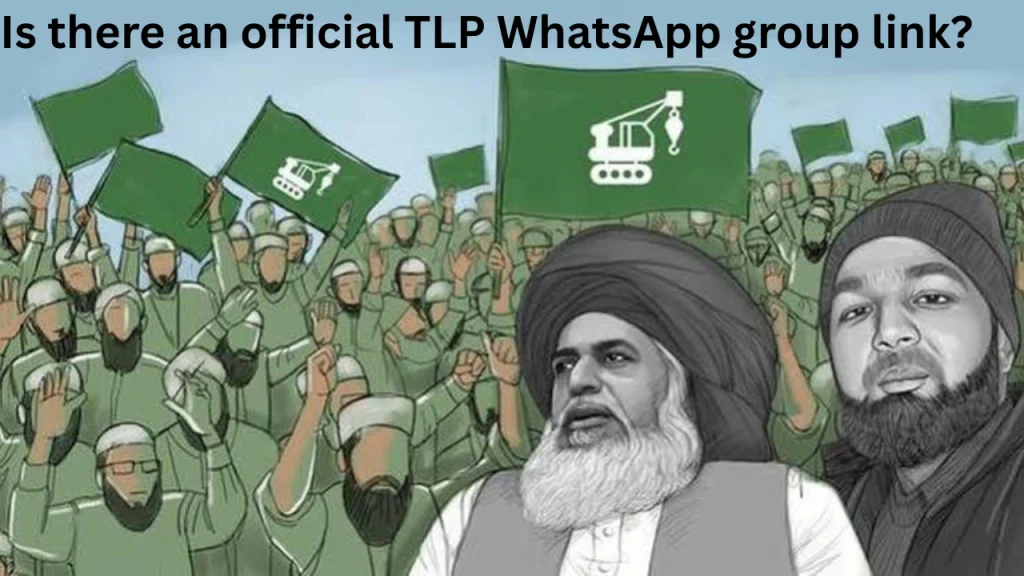
Do not assume that a link posted on a random website, social-media comment, or forwarded message is official. A WhatsApp group can use TLP’s name or logo without being run by the party. Official communications may use different channels for different regions, events, or volunteer activities, and invitation links may change at any time.
Only the party or a known local officeholder can confirm whether a particular group is an authorized channel. A genuine-looking display photo, group name, or large member count is not proof of authenticity.
What a WhatsApp invitation link does
A WhatsApp group invitation link is a shareable URL that lets a person request or gain access to a specific group. Depending on the group’s settings, tapping it may add the person directly or send a request that an administrator must approve.
Anyone who has a working invitation link may be able to share it further unless administrators reset or revoke it. This is why links circulating online can lead to groups that are old, unrelated, poorly moderated, or no longer under the control of the original organizers.
How to find a trustworthy TLP group
Use a verification-first process rather than joining the first link you find. Political groups can attract impersonators, spam accounts, and people spreading misleading material.
- Start with an official public channel. Check the party’s established website or its clearly identified, official social-media accounts. Look for a recent post that names the group or directs people to a contact point.
- Confirm with a local office or representative. If the group is for a city, constituency, or event, ask a recognized local organizer for the current invitation link. Use contact details published through an official party channel rather than a number supplied in an unsolicited message.
- Check the group description. Before joining, read the displayed name and description. A legitimate group should state its purpose, such as local announcements, event coordination, or volunteer information, and should have clear rules.
- Look at the administrators carefully. Group administrators should be identifiable people or official organizational accounts where possible. Be cautious if no one can explain who runs the group.
- Ask for confirmation before sharing personal information. A real group invitation should not require passwords, one-time verification codes, bank details, identity documents, or payment to join.
If an administrator cannot verify the group’s connection to TLP, treat it as an independent supporter group, not an official communication channel.
Signs a shared link may be unsafe or unofficial
Some warning signs are straightforward. Leave or avoid a group if the invitation is paired with pressure, secrecy, suspicious downloads, or demands for sensitive information.
- The message claims the link is “official” but gives no source that can be independently checked.
- It asks you to forward the link urgently to many contacts.
- It promises money, prizes, jobs, donations, or special access in exchange for joining.
- It asks for a WhatsApp verification code, account PIN, password, payment, or personal documents.
- It directs you to install an unfamiliar app, open a shortened or unusual web address, or scan a QR code without explanation.
- It uses abusive language, encourages harassment, or posts unverified allegations as fact.
- The group description and administrator identities do not match the claimed local area or purpose.
A link itself is not automatically dangerous, but it can be used to funnel people toward scams or misinformation. Use the same care you would use with any unsolicited online invitation.
Privacy considerations before joining
WhatsApp groups are not anonymous. Other members can generally see your phone number and may see your profile name and photo, depending on your privacy settings. In a politically focused group, that visibility may matter more than it does in a casual family or hobby group.
Review your WhatsApp privacy settings before joining. You can limit who sees your profile photo, status, last seen information, and online status. Consider using a profile name that does not reveal more than you want to share. WhatsApp also lets users control who can add them directly to groups, although an invitation link may still allow a group to be joined voluntarily.
Do not post addresses, identification details, travel plans, private photographs, or financial information in a large group. Remember that participants can take screenshots, copy messages, save media, and forward information elsewhere. End-to-end encryption protects messages in transit, but it cannot prevent a group member from sharing what they receive.
How to join without exposing more than necessary
If you have confirmed that the invitation comes from a reliable source and choose to join, take a few simple precautions.
- Update WhatsApp from the official app store so you have current security fixes.
- Open the link and review the group name and description before confirming that you want to join.
- Check the participant list and administrator accounts after joining. Exit promptly if the group is clearly different from what was advertised.
- Mute notifications if the group is high-volume. This helps you review messages on your own schedule instead of reacting to a constant stream of alerts.
- Keep two-step verification enabled for your WhatsApp account. Never share the registration code sent to your phone.
- Report suspicious messages, impersonation, fraud attempts, or harmful content using WhatsApp’s in-app reporting tools where appropriate.
Leaving a group is simple: open the group information screen, select the option to exit, and consider reporting it if there is a safety concern. You may also block individual accounts that contact you with unwanted messages.
Official updates, supporter groups, and local groups are different
Not every group using the TLP name serves the same purpose. Understanding the difference can help you decide whether to join and how much confidence to place in what you read.
| Type of group or channel | Typical purpose | What to verify |
|---|---|---|
| Official announcement channel | Broadcasting party statements, notices, or event information | Whether it is linked by an established official account or confirmed by the organization |
| Local coordination group | Sharing area-specific meeting, volunteer, or event logistics | Identity of local administrators and whether details match official notices |
| Supporter discussion group | Debate, news sharing, and conversation among supporters | Its moderation rules and whether it clearly identifies itself as unofficial |
| Forwarded-link group | Unknown; may be discussion, spam, or an impersonation attempt | Source of the link before joining |
An unofficial supporter group is not automatically harmful. It should simply not be treated as an authoritative source for party positions, public events, or urgent claims. Confirm significant information through an official public statement or a recognized local contact.
How to handle political news shared in a group
WhatsApp messages move quickly and are easy to forward without context. Images, videos, voice notes, and screenshots may be old, edited, mislabeled, or taken from a different location. A message being widely shared does not establish that it is true.
For claims about rallies, public safety, government action, election matters, fundraising, or alleged incidents, pause before forwarding. Look for an original statement from the relevant organization or public authority, compare reporting from reliable news outlets, and check the date and location. Be especially careful with posts that provoke anger or demand immediate sharing.
Group administrators can help by posting rules against personal attacks, doxxing, threats, and unsupported claims. Members can help by asking for a source rather than amplifying uncertain material.
Do not confuse a group link with account verification
A WhatsApp invite does not verify the identity of the group, its administrators, or other participants. It also does not make messages from the group official. WhatsApp may show group information, but the platform does not certify every political group’s real-world affiliation.
Likewise, a social-media post containing an invitation link should be assessed by the account that posted it, not only by the wording of the post. Check whether the account is consistently used by the organization, whether it has publicly known contact details, and whether other recognized official channels point to it.
Frequently asked questions
Where can I get a verified TLP WhatsApp group link?
Get it from an official TLP communication channel or directly from a recognized local representative. Avoid treating copied links from unrelated websites, comments, or unknown contacts as verified.
Why does a WhatsApp group link sometimes stop working?
Administrators can reset or revoke invitation links, groups can reach participation limits, and links may be removed after misuse. Ask the group administrator or a verified local contact for a current link.
Can other members see my number after I join?
In a normal WhatsApp group, participants can generally see one another’s phone numbers. Review your profile privacy settings and avoid joining if you are not comfortable with that level of visibility.
Is a group with the TLP name always run by TLP?
No. Names, logos, and political labels can be used by supporters or impersonators. Confirm the administrator and source before relying on the group for official information.
What should I do if a group asks for a WhatsApp code or money?
Do not send a code, payment, password, or personal documents. Exit the group, report suspicious activity through WhatsApp if appropriate, and contact the organization through an independently verified public channel if you need clarification.
Use verified sources and protect your account
A tlp whatsapp group link can be useful for receiving local updates or taking part in supporter discussions, but the link alone does not prove that a group is official. Confirm it through an established party source or known representative, limit the personal information visible on your profile, and verify important news before sharing it. If the group becomes misleading, unsafe, or intrusive, leave it and use official public channels for reliable updates.
People Also Read: marriage invitation message on whatsapp