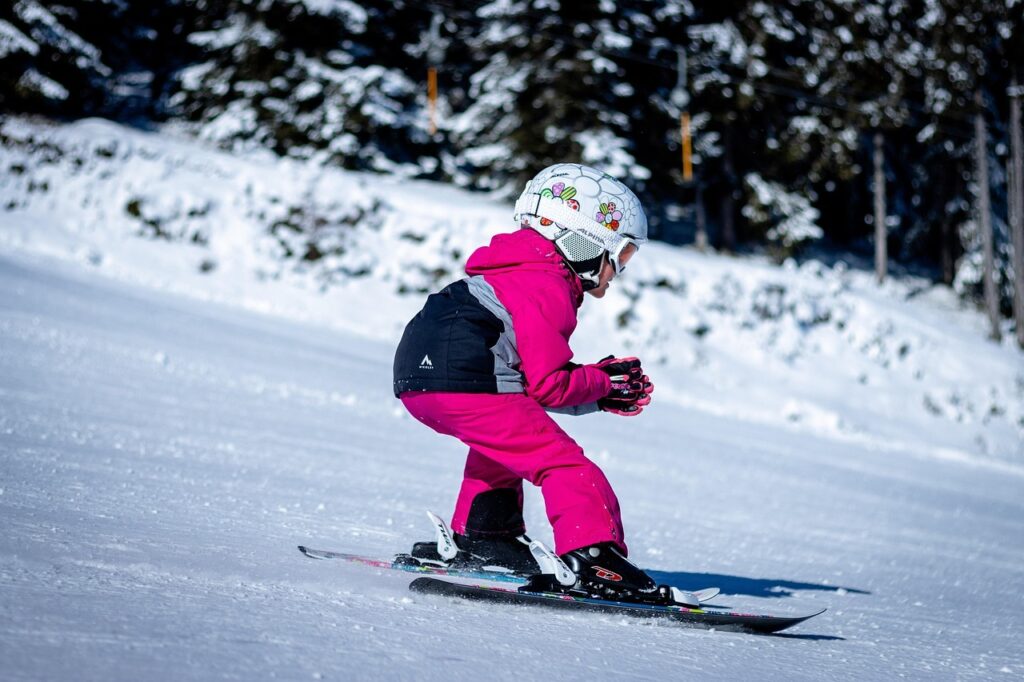
Heading to the slopes for the first time?
Millions flock to the mountains each year wanting to learn how to ski or snowboard. But most beginners don’t know how to prepare themselves before arriving at the resort. This leaves many frustrated on day one because they don’t know what to expect.
Don’t be that person.
There’s a lot that goes into planning your first trip to the ski resort. Buying gear, taking lessons, and not skiing too much terrain all come into play. This guide covers everything you need to do to have the best time on your first day skiing.
Let’s hop right in…
What you’ll learn:
- Buying vs Renting Ski Gear
- Why Taking Lessons Are Important
- Picking The Proper Terrain
- Safety Considerations To Keep In Mind
- Maximizing Your First Ski Trip
Buying vs Renting Ski Gear
Ah, ski gear. For beginners this is where it all begins to feel overwhelming.
Don’t skis, boots, poles, helmet, goggles? What if you don’t know how to use them all? Here’s the thing. You shouldn’t be buying any gear before you take your first trip to the slopes. You’re likely not going to ski again, so spending money on equipment is pointless.
Rent everything you need. It’s as simple as that. If you know where to look you can find great ski and snowboard rentals in Park City or any ski resort for that matter. Ski rentals in Park City UT include boots that fit properly, skis that match your ability level, and poles adjusted to your height. There’s no guess work when using an established rental shop.
Bindings will also be adjusted by weight and ability. This is super important because the bindings on your skis are what release when you fall and help prevent leg injuries. Having poorly adjusted bindings can cause serious injury.
Renting ski gear should include:
- Ski jacket and ski pants. Ideally waterproof.
- Base layer clothes to keep you dry.
- A warm pair of socks. (Cotton socks are not ideal)
- Helmet. You’ll need this no matter what.
- Goggles to protect your eyes.
- Gloves/mittens.
You can rent helmets and goggles at almost any resort as well. There’s really no excuse not to buy a helmet before skiing. Head injuries are very common for beginners.
Why Taking Lessons Are Important
Some people think they don’t need lessons. That they can teach themselves from watching YouTube.
They’re wrong.
Taking lessons as a beginner isn’t just recommended, it’s essential. If you want to have any amount of success while learning how to ski, professional instruction is the best investment you can make. Approximately 65% of novice skiers take lessons their first year because they know how important it is to learn proper form from day one.
Here’s why…
Anything you learn on your first day will become a habit. Good habits or bad. Learning the proper way to pizza (or snowplow), shift your weight, and come to a stop are crucial to your success on the bunny slopes. Without knowing these basics you’ll struggle on any terrain that isn’t groomed perfectly.
Group lessons are perfect for beginners. They allow you to keep costs down while learning alongside others. Private lessons get the job done quicker at a higher price. Private instruction is great, but isn’t necessary.
Professional lessons should teach you:
- Proper stance and balance
- How to stop
- How to get on and off the chairlift
- How to turn
- How to fall correctly (Yep, that’s a thing!)
Look for ski resorts that offer beginner packages. These will include your lift ticket, rentals, and lesson all in one bundle. Packages like this are typically the best bang for your buck as a beginner.
Picking The Proper Terrain
Ok you’re ready to ski. Now what?
Just remember not to ski too much terrain. Novice trails are green circles while most beginner slopes are marked blue. Avoid blue runs unless your instructor recommends them. Black diamond trails are for experts only.
Pretty easy, right?
People get buckled just by looking at the ski hill. Destined to fail in their minds before they even start. Seeing your friends load the chair lift and wanting to join is natural. Don’t let your ego drive you into terrain that you’re not ready for.
Beginner slopes are laid out for a reason. They’re typically slower skiing traffic and have wider paths. Novice terrain has less steep grades making it easier and less intimidating for new skiers. Sticking to the magic carpet and bunny slopes is your best bet as a beginner. Unless your instructor tells you otherwise.
Safety Considerations To Keep In Mind
Skiing and snowboarding come with inherent risks.
Novice skiers are 33% more likely to be injured than those with intermediate skill levels. This isn’t meant to discourage you from skiing. Just illustrating how important it is to be prepared and know the things that can happen on your first few days skiing.
Safety comes first when skiing as a beginner. Here are some key things to remember…
- Wear a helmet at all times. Don’t be that person that thinks they’ll never get injured. Traumatic head injuries can happen to even the best skiers on green terrain.
- Know the code of the mountain. Skiers downhill from you ALWAYS have the right of way. Always look uphill before merging onto a trail, and stay in control of your speed.
- Take breaks. If your legs start to get tired, TAKE A BREAK. Trying to push through tired legs is when accidents happen.
- Stay hydrated. It’s easy to forget this when skiing but dehydration is very common. You’re at high altitude exerting yourself unlike anything you probably do on a daily basis. Drink water throughout the day.
- Know your limits. If a slope looks intimidating, it probably is. Find an easier route.
Weather conditions can play a factor in safety as well. If visibility is low due to snow or fog, skiing can be dangerous for beginners. Icy conditions require an elevated skill set. Beginners should stick to sunny days with fresh powder when possible.
Maximizing Your First Ski Trip
You’ve taken lessons and now it’s time to get out there!
Having your gear ready to go before arriving at the ski resort is crucial. Hit up the rental shop first thing and avoid the long lines. Allow time for ski boots to be properly fitted to your feet. Eat a good breakfast because skiing burns a lot of calories.
Extra pro tips for beginners:
- Book your lessons ahead of time.
- Dress in layers so you can adjust to temperature changes.
- Hand warmers are your friends. Bring some.
- Download the resorts trail map beforehand.
- Have realistic expectations.
Here’s the thing. Not everyone is graceful when they first learn how to ski. Of course not! Falling is part of the learning process and you will do it…A LOT. Getting off the chair lift takes some practice.
It’ll all come together soon enough. Remember you’re out there to HAVE FUN. Learn the basics that you need to on day one and get excited for what’s to come.
Wrapping Things Up
Hope you learned a thing or two from this guide!
Learning how to ski for the first time isn’t difficult. But preparing yourself ahead of time will set you up for success. By renting versus buying equipment, taking lessons, skiing on beginner terrain, and keeping safety in mind you’ll have the best time possible on day one.
Let’s review real quick. If you’re a beginner skier you should:
- Rent, don’t buy equipment
- Take lessons
- Ski on beginner terrain
- Wear a helmet at all times
- Take breaks and stay hydrated
- Have fun and don’t over think it
Millions of people take their first trip to the ski slopes each year. That number will continue to grow as long as people like you continue to read this article. Get out there and enjoy that first ever ski trip!