Table of Contents
- Warm Minimalism: A Cozy Evolution
- AI Integration in Home Design
- Adaptable Living Spaces for Modern Needs
- Sustainable Materials and Green Building
- Wellness-Focused Design Elements
- Biophilic Design: Bringing Nature Indoors
- Smart Home Technology and Automation
- Conclusion
Today’s homeowners are looking for much more than basic shelter—they crave spaces that reflect their personalities, support flexible lifestyles, and champion sustainability. The rapid evolution of design and technology is fueling major transformations in new home construction across the country. If you’re considering building or customizing your next residence, understanding these shifts will help you envision a space that is uniquely attuned to both your personal taste and modern living requirements. For those in the heartland, partnering with top-rated custom home builders in Oklahoma City OK for active adults enables forward-thinking design choices that keep pace with cutting-edge trends.
As households blend generations, work and leisure, efficiency with comfort, and a desire for eco-conscious living, builders are embracing next-generation concepts throughout architectural design, spatial planning, and smart technology. These innovations not only redefine aesthetics but also prioritize health, sustainability, and adaptability as core values in new construction.
Warm Minimalism: A Cozy Evolution
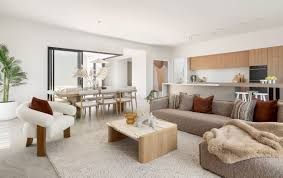
Minimalism’s stark lines and white-on-white palettes have softened in recent years as designers champion a warmer, more inviting approach. Warm minimalism fuses modern simplicity with tactile and earthy elements—think creamy whites, soft taupes, warm terracottas, and natural finishes. By incorporating abundant wood, textured fabrics, wool throws, and brass accents, interiors feel uncluttered yet intimate. This trend appeals to homeowners who favor a serene, timeless environment while also craving comfort and personality.
AI Integration in Home Design
No longer just a tech industry buzzword, artificial intelligence (AI) is rapidly changing the way homes are designed, built, and operated. With AI-enhanced software, custom home plans can now be generated, visualized, and adjusted in real time, streamlining what once took months. These tools integrate 3D blueprints, construction docs, and visualization models, reducing project lead times and minimizing costly errors. AI also supports builder decision-making, offering data-driven insights about popular amenities, sustainable building materials, and site-specific considerations for new developments. As technology progresses, homeowners benefit from smarter layouts and more personalized living spaces.
Adaptable Living Spaces for Modern Needs
Our homes are now expected to serve as offices, classrooms, gyms, and personal retreats—sometimes all within the same week. Modern floor plans favor open spaces that can be easily reconfigured as life changes. Features such as fold-away partitions, Murphy beds, convertible home offices, and finished basements with separate entrances enable spaces to transition seamlessly from work to leisure or even generate secondary income streams through rental units. This increased adaptability means today’s homes can evolve and adapt to changing household needs, whether for multigenerational living, remote work, or future resale. Homes with versatile layouts are proving especially attractive in competitive real estate markets.
Sustainable Materials and Green Building
Environmental stewardship is now at the forefront of new home design. Builders are prioritizing natural and renewable materials, such as engineered timber, hempcrete, recycled steel, and stone, while applying passive house principles to achieve energy efficiency and promote healthy indoor air quality. High-performance insulation, airtight construction, and solar-ready roofs further reduce energy usage and monthly bills. Today’s eco-friendly choices not only support planetary health but also drive long-term cost savings—an essential consideration for conscientious homeowners.
Wellness-Focused Design Elements
Physical and mental health have become priorities in residential design. New builds often include dedicated wellness rooms, meditation nooks, or spaces for sound therapy and yoga. Spa-inspired bathrooms feature deep soaking tubs, steam showers, and circadian lighting, creating in-home sanctuaries where residents can unwind and recharge. These wellness touches, combined with increased access to natural light and enhanced indoor air quality, help promote relaxation and well-being every day.
Biophilic Design: Bringing Nature Indoors
Biophilic design, the deliberate integration of natural elements into the built environment, continues to grow in popularity. Large, operable windows, indoor gardens, living walls, and organic textures forge stronger connections to the outdoors, supporting mental health and overall happiness. From the feel of wood beneath your feet to the gentle sound of indoor water features, these homes evoke our innate connection to nature.
Smart Home Technology and Automation
Smart technology has become a central feature in modern home construction. Homeowners now expect intelligent lighting, automated temperature controls, security systems, and AI-powered appliances that streamline daily living and improve efficiency. Voice-activated assistants, integrated energy monitoring, and remote-controlled entertainment systems deliver a new level of convenience and accessibility. As the technology matures, smart homes will continue to enhance safety, lower utility costs, and adapt to individual preferences.
Conclusion
The future of home construction is bright, blending beautiful design with state-of-the-art technology, sustainability, and flexible living. By staying informed and collaborating with experienced builders, today’s homeowners can create tailored spaces that meet the demands of modern life and fulfill their aspirations for tomorrow.